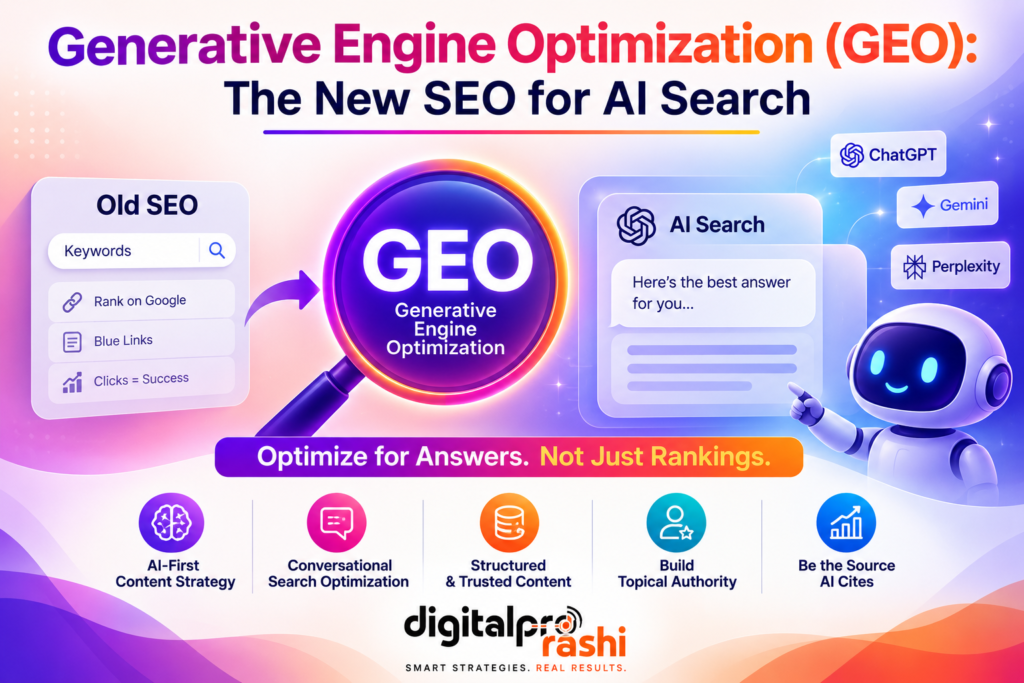
Generative Engine Optimization (GEO): The New SEO for AI Search
A client asked me last month why their top-ranking blog post, sitting comfortably at position two on Google, wasn’t generating any traffic anymore.


A client asked me last month why their top-ranking blog post, sitting comfortably at position two on Google, wasn’t generating any traffic anymore.
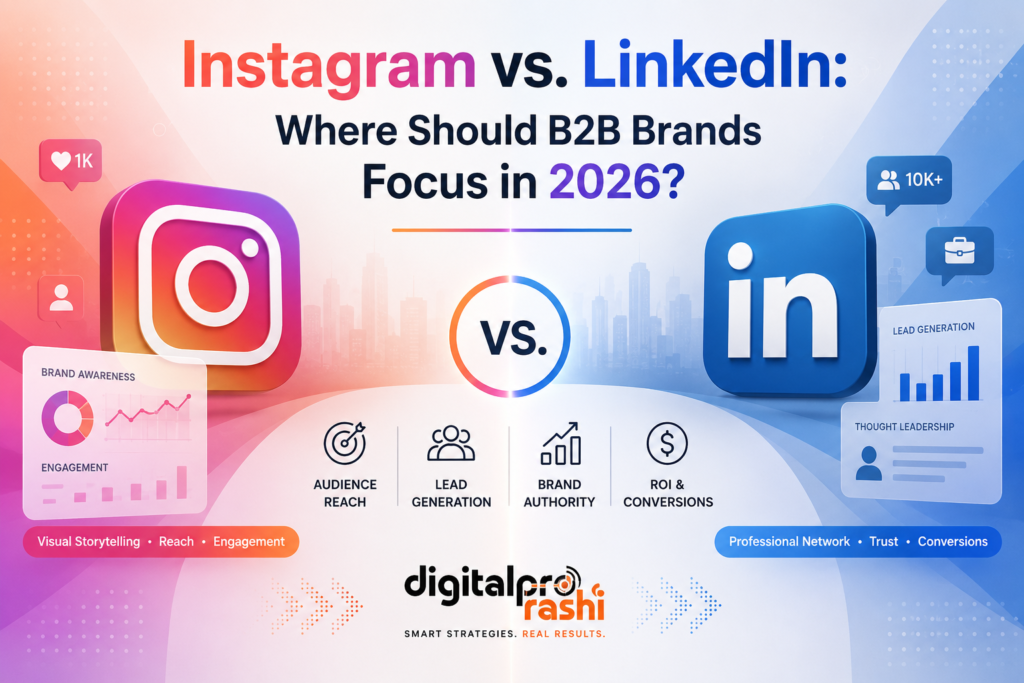
A B2B SaaS client once told me, half-joking, that their Instagram account was “where content goes to get twelve likes and die.” Meanwhile, a single LinkedIn post from their founder generated more qualified leads in a week than their last three paid campaigns combined.
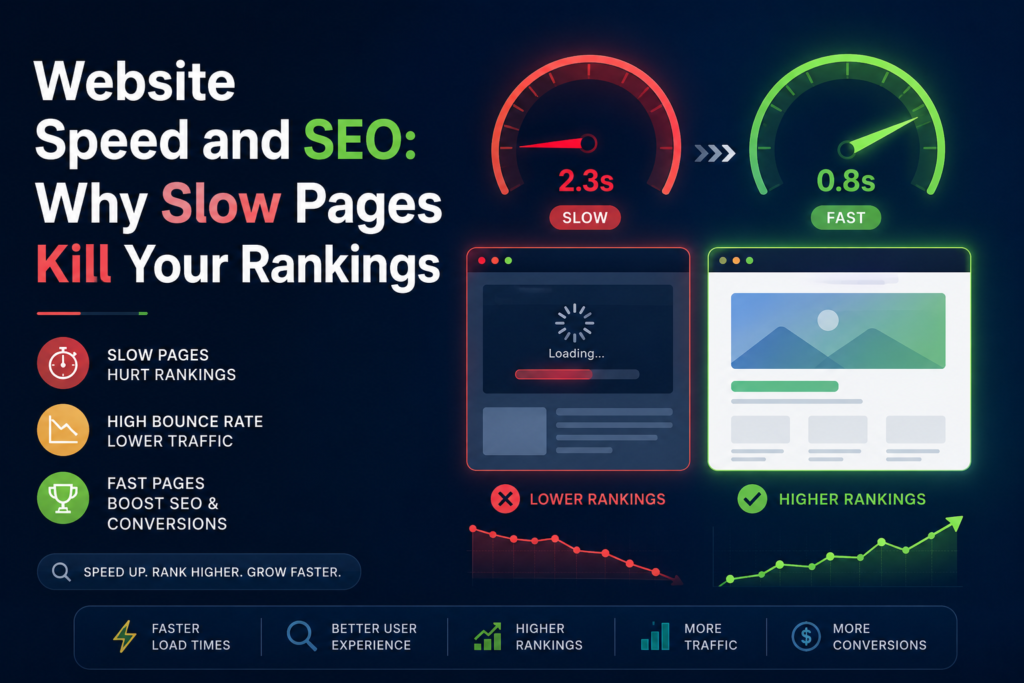
A business owner came to me after months of building a beautiful website — professional design, strong content, solid keyword research. But traffic wasn’t growing. Rankings were stuck. When I ran a speed test, the homepage took 9 seconds to load.
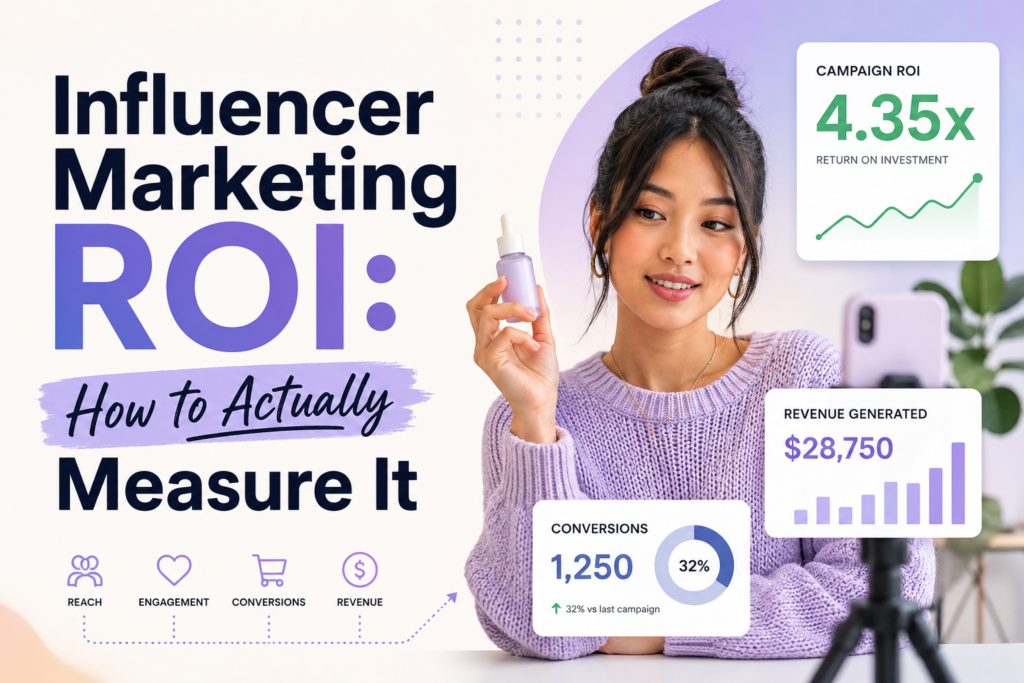
I still remember the first time a client asked me to explain why a campaign with three million views hadn’t moved the needle on sales.
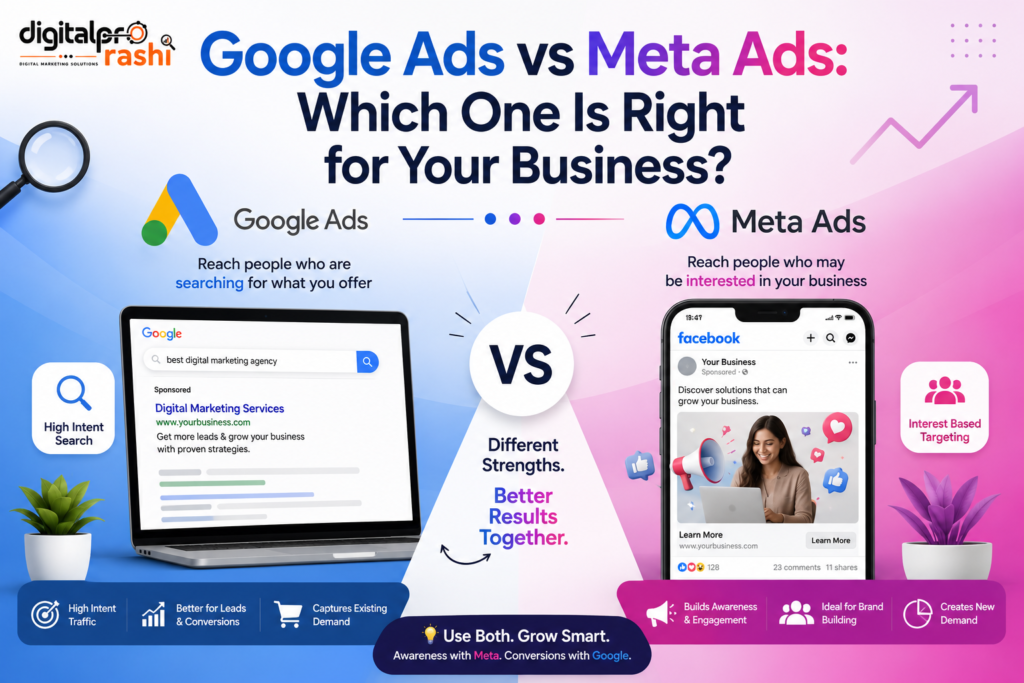
The right advertising platform depends on your customer’s mindset—are they actively searching for a solution or simply discovering new brands?
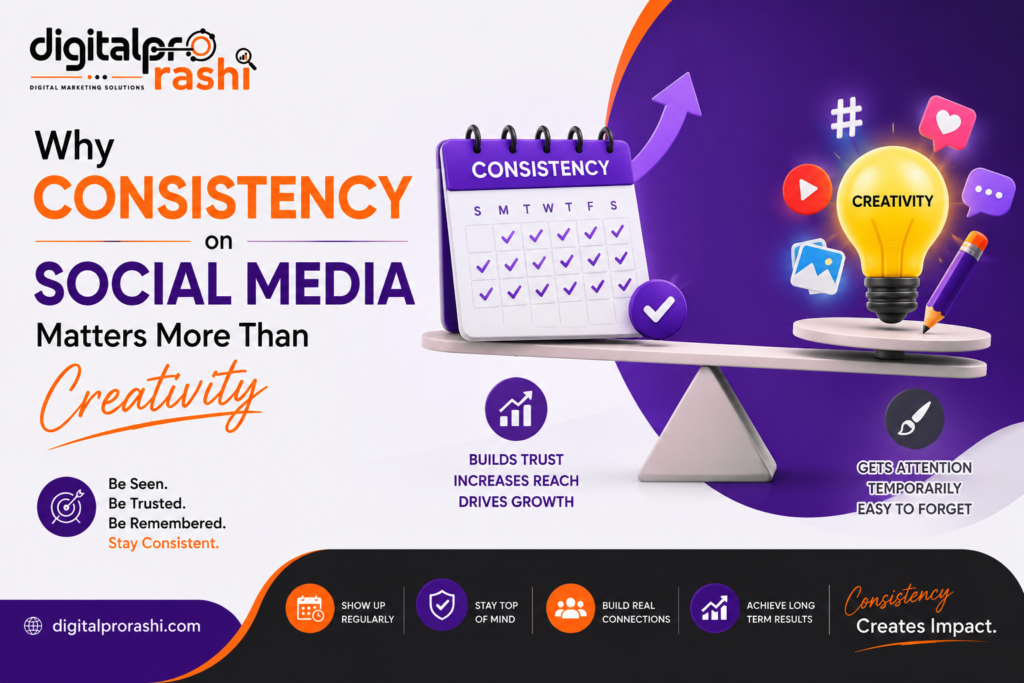
Here’s something I say to almost every new client — and it usually catches them off guard: you don’t need to be the most creative brand on social media. You need to be the most consistent one.

I’ll be honest — when AI tools started flooding the marketing space, my first reaction wasn’t excitement. It was skepticism.

Every January, the internet floods with “trends to watch” articles written by people who’ve never actually run a campaign.
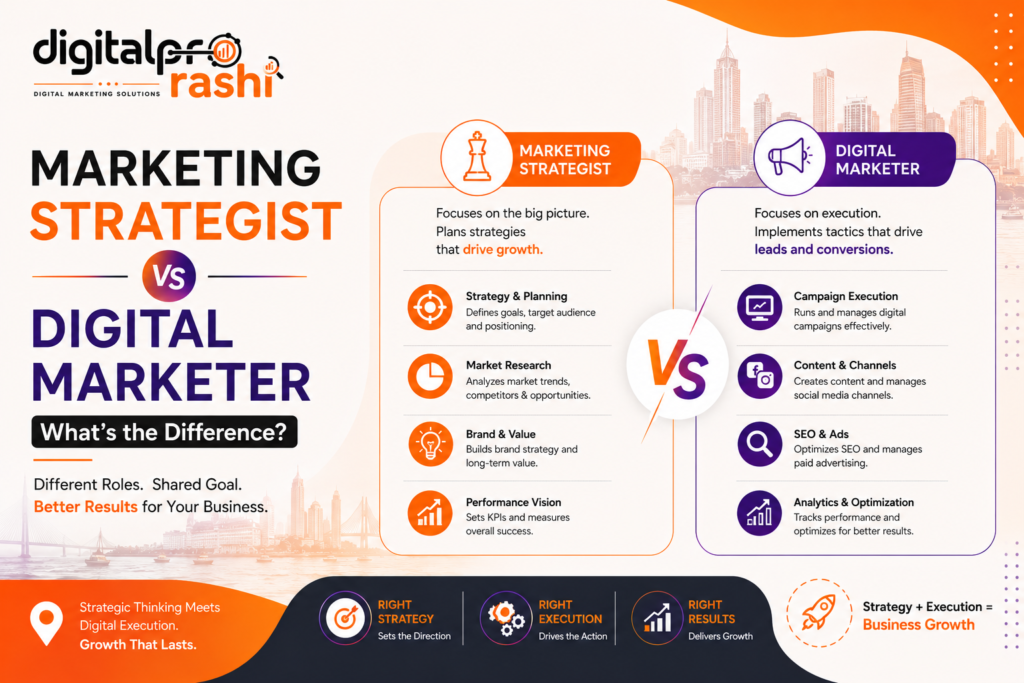
I get asked this a lot, usually in the first five minutes of a client call: “So are you a marketing strategist or a digital marketer?”

Mumbai’s digital marketing space is crowded. I know — because I stepped into it after 14+ years in corporate marketing, most recently as Chief Manager of Marketing & Strategy at the Institute of Actuaries of India.